3939 W 50th Street, Suite 200, Edina, MN 55424

How Often Should You See an Eye Doctor? What Bloomington & Edina Residents Need to Know
Regular eye exams are one of the most overlooked parts of preventive health care, and knowing the right schedule can protect your vision for life. Whether you are searching for a trusted eye doctor in Edina, MN, or managing care for your whole family across Bloomington and the surrounding Twin Cities metro, this guide covers how often you should schedule eye exams at every stage of life, which risk factors may require more frequent visits, and what happens during a comprehensive eye exam.
How Often Should You See an Eye Doctor by Age Group?
Exam frequency depends on your age. Most people need at least one comprehensive eye exam every one to two years, but children and older adults may benefit from more frequent scheduling. If you are looking for an eye doctor in Edina, MN, understanding these age-based guidelines is a good place to start.
Children (Infants Through Age 18)
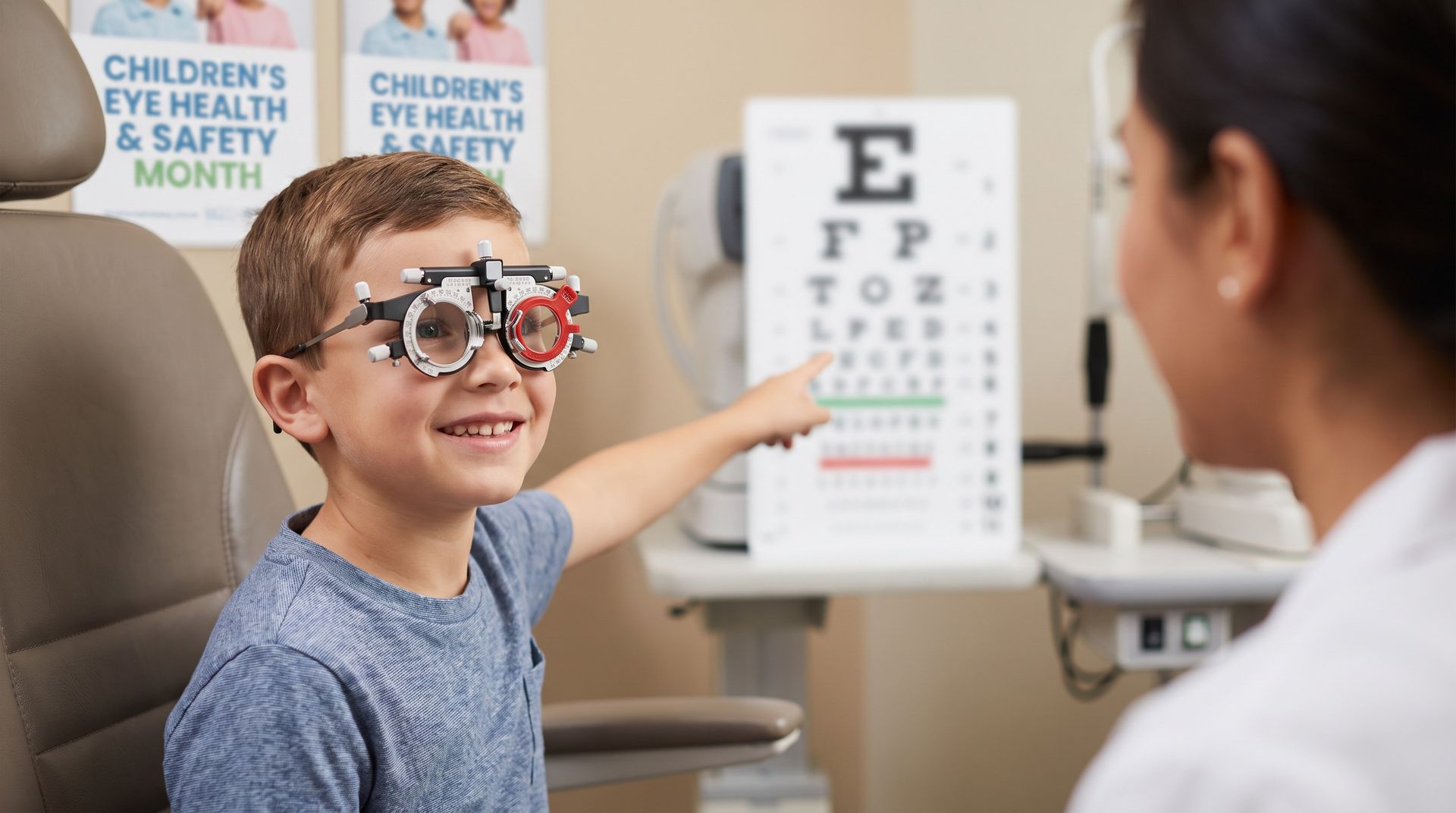
Children's vision can change quickly, and many problems go undetected without a formal exam. Conditions like amblyopia, strabismus, and myopia can affect learning and development. Experts generally recommend a first exam around age 1, another around age 3, and then annual exams once a child starts school. Getting kids on a regular schedule before the school year begins can help catch issues early, when treatment tends to be most effective.
Adults (Ages 18 to 60)
Healthy adults with no known vision problems may only need a comprehensive exam every two years. If you wear prescription glasses or contacts, an annual visit is typically recommended to keep your prescription current. Adults who spend long hours at screens may also notice faster changes in near vision, making regular check-ins with an eye doctor in Edina, MN, a smart choice.
Older Adults (Ages 60 and Up)
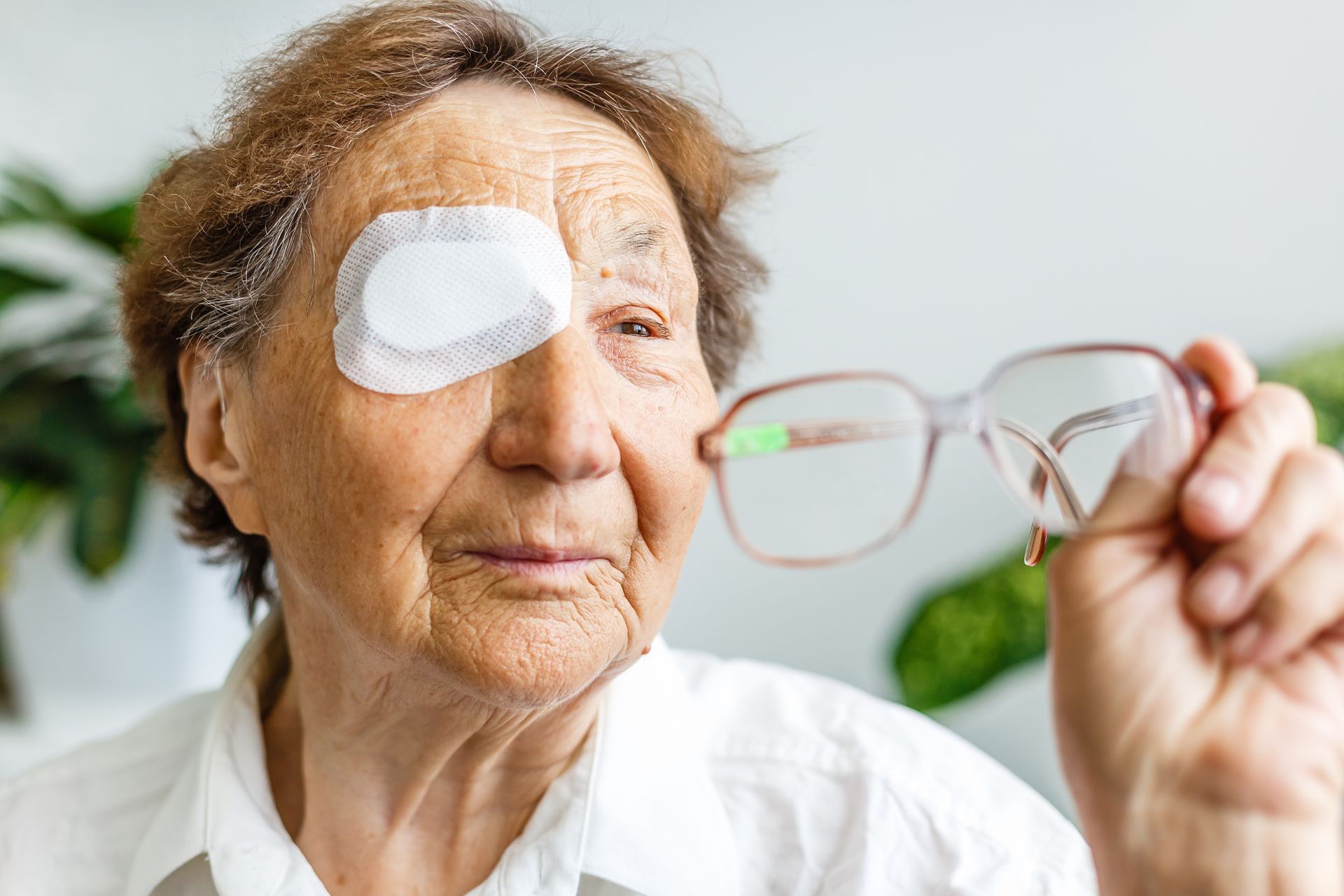
Once you reach your 60s, annual eye exams become especially important. Age-related conditions like cataracts, glaucoma, and macular degeneration can develop gradually without obvious symptoms. Early detection gives you the most options for treatment. Seniors throughout the Edina and Bloomington area should not wait for noticeable changes before scheduling their next exam.
What Risk Factors Mean You May Need More Frequent Eye Exams?
Certain health conditions and lifestyle factors can raise your risk for eye disease, often making yearly or more frequent visits necessary.
▸ Diabetes: Diabetic retinopathy can cause permanent vision loss if not caught early. People with diabetes are typically advised to have a dilated exam at least once a year.
▸ Glaucoma family history: Glaucoma often has no early warning signs. If a close relative has had it, your risk is higher, and more frequent monitoring may be recommended.
▸ Contact lens wearers: Regular fittings and follow-ups help catch changes before they become problems.
▸ High blood pressure or autoimmune conditions: These systemic diseases can affect the eyes, and an exam may detect early related changes.
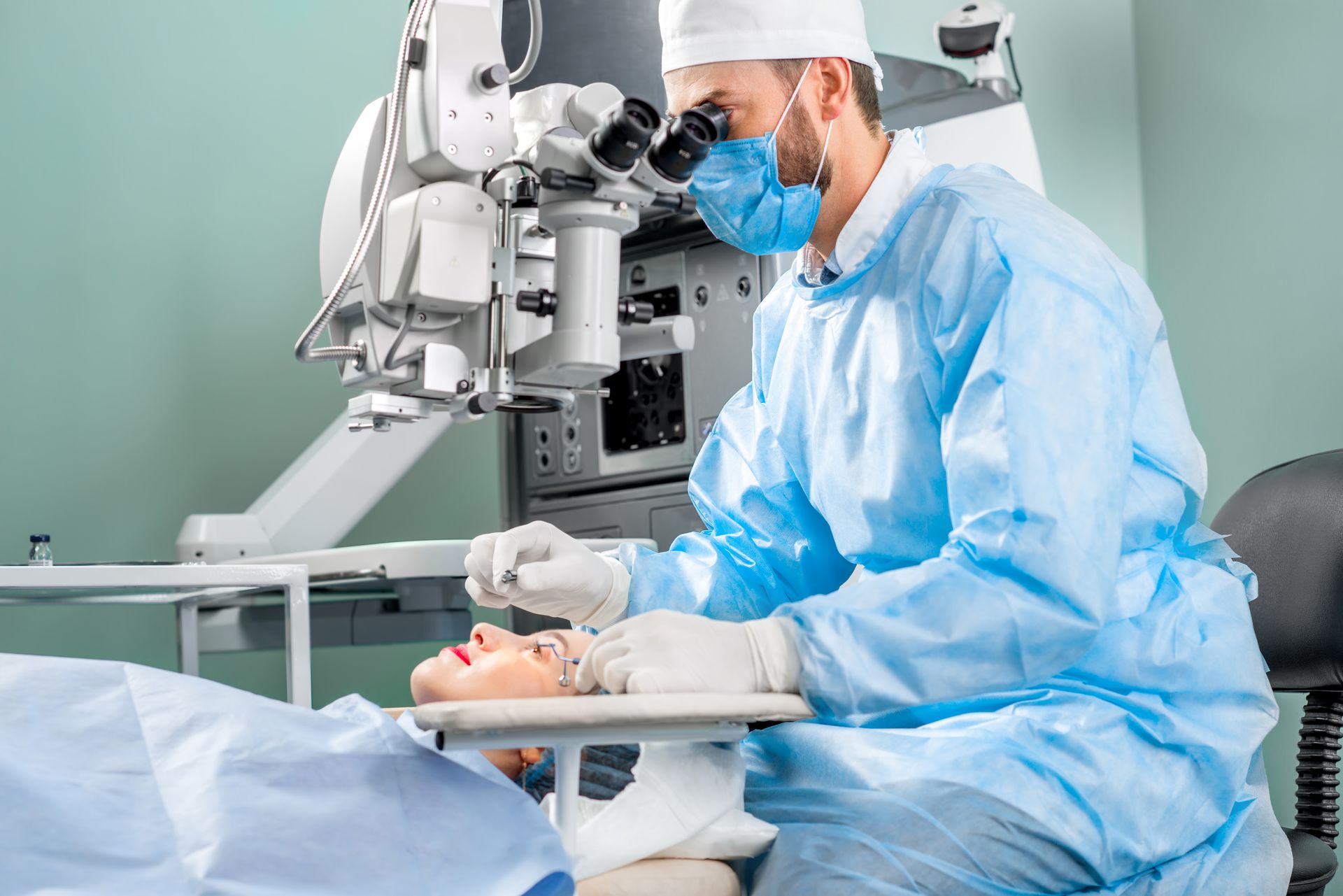
▸ Previous eye injury or surgery: Any history of trauma or surgical procedures may call for more frequent visits.
If any of these apply to you, talk with your eye doctor in Edina, MN, about the right schedule for your situation.
What Does a Comprehensive Eye Exam Include?
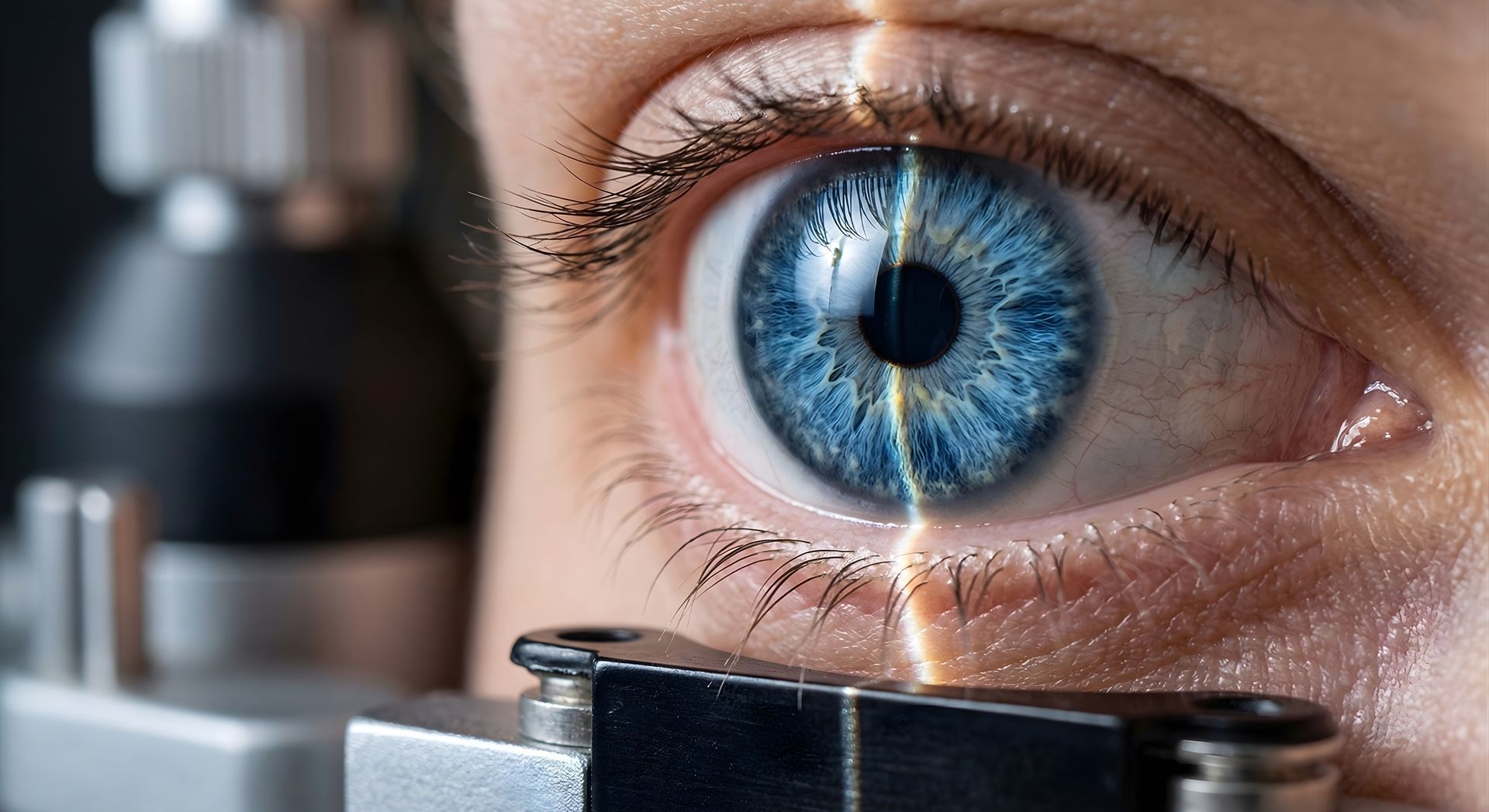
A comprehensive exam goes well beyond a simple vision screening. Your provider checks for glaucoma, cataracts, corneal diseases, and eye changes connected to systemic conditions like diabetes and high blood pressure.
Most exams include a health history review, visual acuity testing, evaluation of eye alignment and movement, and refraction testing to determine whether you need prescription lenses. A dilating drop is often used so the doctor can fully examine the inside of the eye, and it may cause light sensitivity and blurred near vision for one to three hours, so plan ahead for your drive home. At the end of the visit, your doctor discusses findings and prescribes any necessary corrective eyewear or medications.
You can learn more about what to expect on the eye examinations page.
Does Insurance Cover Routine Eye Exams?
Coverage varies by plan. Medical insurance often covers a comprehensive exam when it is medically necessary, such as for monitoring diabetes. Vision plans typically cover one routine exam per year. Checking with your provider before your appointment helps avoid surprises.
What Is the Difference Between an Eye Exam and a Vision Screening?
A vision screening, like those done at schools or during a physical, only checks basic visual acuity. A comprehensive exam performed by an ophthalmologist or optometrist is far more thorough and can detect a wide range of eye diseases that a screening will miss.
How Do I Know If My Child Needs an Eye Exam Before the School Year?
Signs include squinting, sitting close to screens, frequent headaches, complaints about blurry vision, or rubbing the eyes often. Many children with vision problems show no obvious symptoms at all, which is why routine exams matter. Scheduling with an eye doctor in Edina, MN, before the school year gives your child the best chance of starting strong.
Schedule Your Eye Exam Serving Edina and Bloomington
Taking care of your vision starts with a consistent exam schedule. Edina Eye Clinic serves patients throughout Edina, Bloomington, and the greater Twin Cities metro with comprehensive eye exams, contact lens fittings, glaucoma monitoring, cataract care, and more, all backed by over 60 years of board-certified ophthalmology experience.
To get started, register as a new patient or call 952-920-2020 to schedule your appointment today.